India tour of Zimbabwe 2026 · 2nd T20I
Kishan and Tilak Varma lead India to 219/5 in 2nd T20I against Zimbabwe at Harare
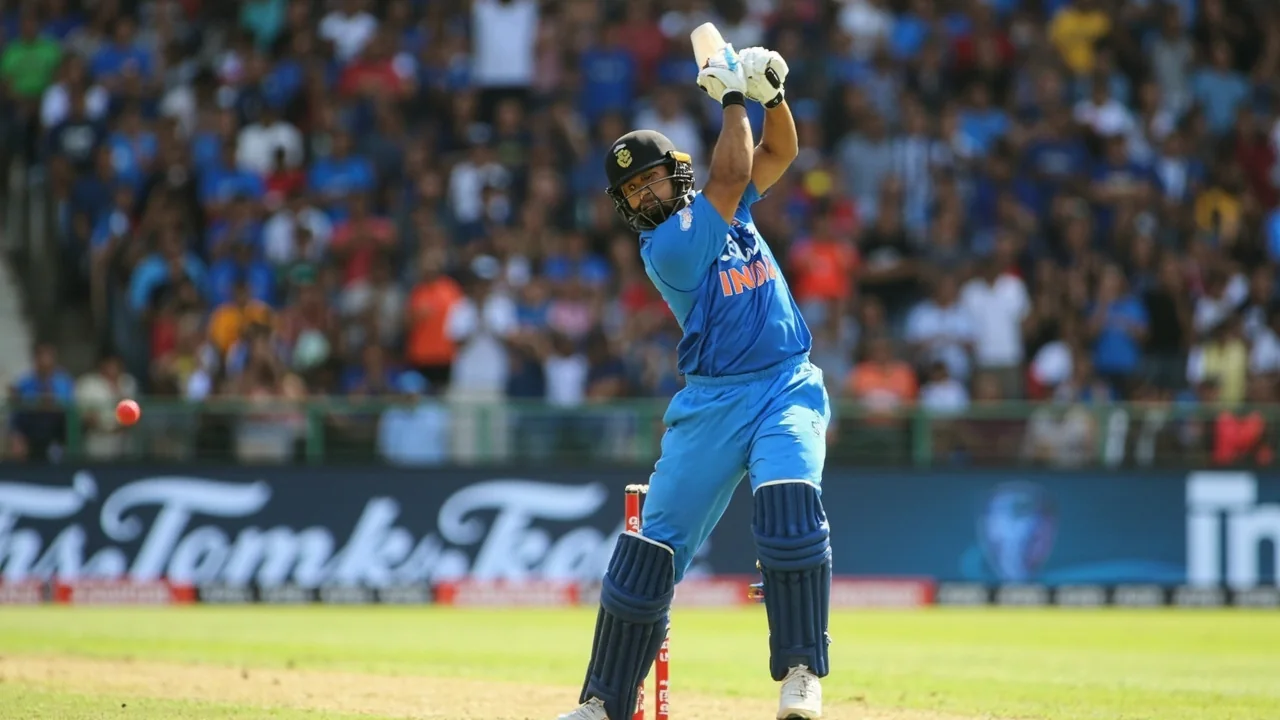
A pair of senior-international half-centuries from Ishan Kishan and Tilak Varma carried India to 219 for 5 against Zimbabwe in the second T20I at the Harare Sports Club on Saturday, 25 July 2026. The total came after the visitors had slipped to 29 for 2 inside the powerplay, and the recovery was built almost entirely on the 94-run fourth-wicket stand between the two left-right middle-order hands.
Zimbabwe won the toss and asked India to bat first, a choice consistent with the way the home side have used their conditions in recent home series. The move paid off early. Abhishek Sharma was caught by Ryan Burl off Blessing Muzarabani in the second over, and Vaibhav Sooryavanshi — promoted up the order — fell to Richard Ngarava for 20 off 9 balls. Sooryavanshi's stay still produced a 4, 6, 4, 4 sequence against one bowler, but the wicket left India at 29 for 2 and the innings in need of a rebuild.
Into that rebuild walked Shreyas Iyer, and the India captain did the work his side needed at that point. He and Kishan added 66 for the third wicket, a stand that took the pressure off the new ball and gave the left-hander the strike security to play himself in. Iyer finished on 25. The partnership ended shortly after, but the boundary rhythm had already changed. Kishan reached his fifty in 31 balls and then accelerated sharply — the next 31 runs came off just 13 deliveries, with multiple boundaries on the leg side off Brian Bennett and Brad Evans that pushed the required rhythm back onto India's terms.
The fourth-wicket alliance that reset the chase equation
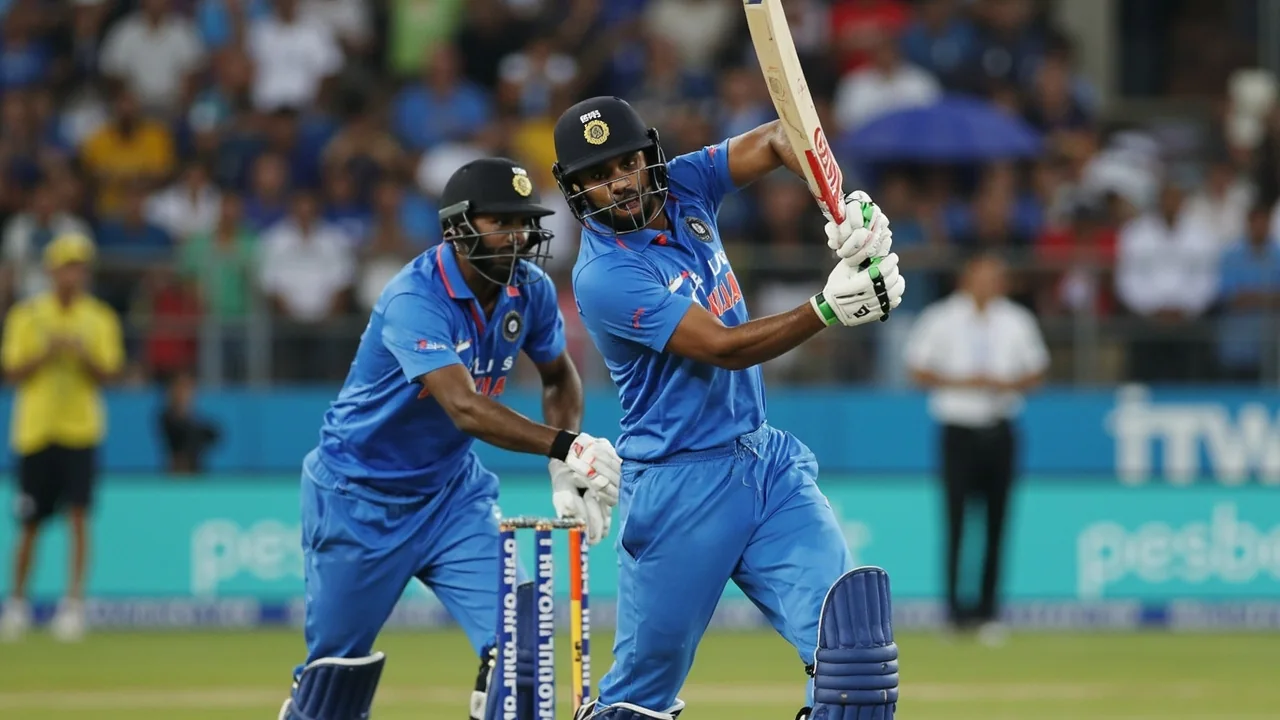
Tilak Varma, leading the side in the middle order, came in with the asking rate already climbing and walked off unbeaten. The 94-run fourth-wicket stand with Kishan was the innings in two acts: a settling phase where the pair picked the slower bowlers and held the strike, and an acceleration phase through the middle and death overs that converted a recovery into a competitive total. Tilak's fifty came in 23 balls, off the back of three consecutive fours off Muzarabani, and he finished the innings by lifting Brad Evans over mid-wicket for six.
The split in scoring options between the two batters is what the partnership paper over. Kishan's onside game against the pace bowlers — Bennett and Evans especially — kept the field captain honest at mid-wicket and square leg. Tilak's reach through the off side gave him clean sight of the slower ones and the part-timer's variation. For fantasy readers, the read is straightforward: the two batters split the available match-ups cleanly, and the partnership lasted long enough that neither had to take on a bowler who was winning the duel.
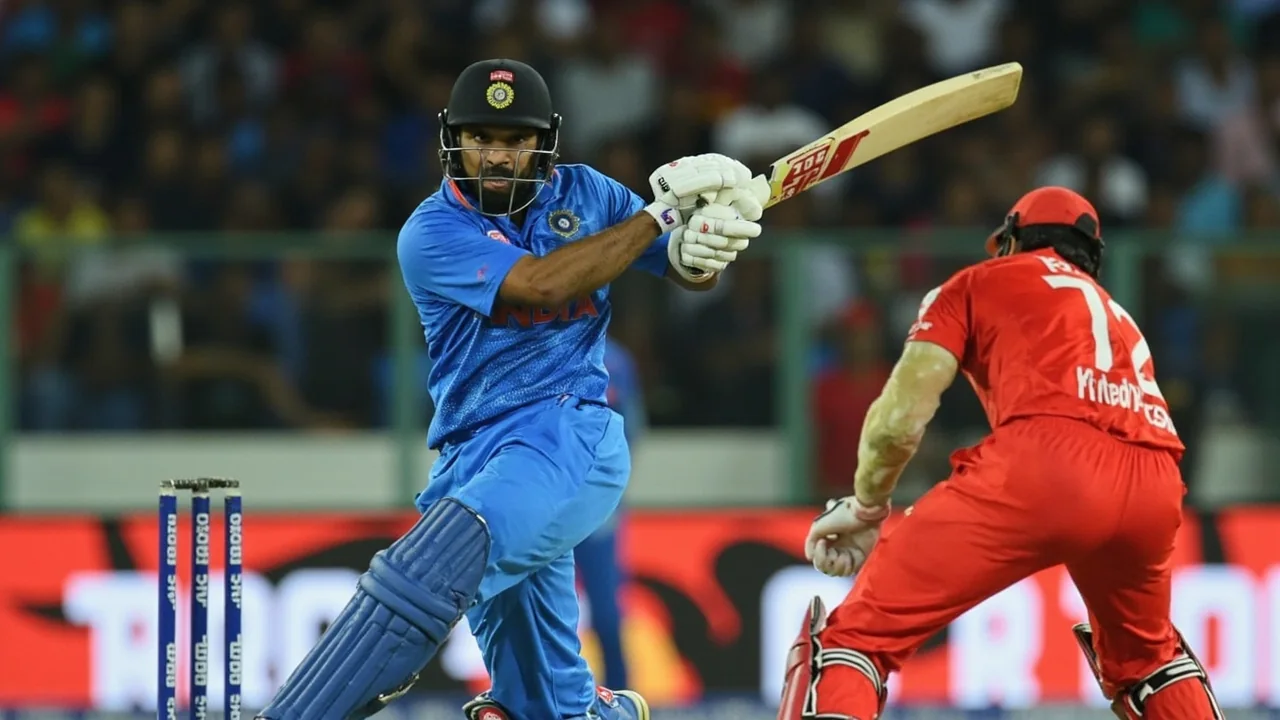
Why the powerplay wobble did not define the innings
Two wickets in the first six overs is the kind of start that pins a side back to a 160-ish score at T20I level. What stopped that happening here was the depth of the batting card India took into the series. Iyer's 25 was not a high-octane innings, but it gave Kishan the time to move from powerplay-cameo to match-defining hand. The Iyer–Kishan stand of 66 was the bridge between the wobble and the recovery; the Kishan–Tilak stand of 94 was the bridge between recovery and posted total.
The combined 160 runs scored while those two stands were in progress is the maths that explains the 219. The Fall of Iyer (at the 95 mark, once the 66-run stand is added to the 29 for 2) was the only additional India wicket until the final overs, and Tilak's unbeaten finish meant the lower middle order was never exposed to the new ball. The way the partnerships were sequenced — early bridge, middle acceleration, late consolidation — is the cleanest possible path from a 29 for 2 start to a 220-ish total.
The story of the final five overs
India added 61 runs in the last five overs without losing the shape of the innings. The number is the line that matters for fantasy captain projections: a side that can add at the rate India did in the death overs, while still keeping wickets in hand, puts the chasing side under sustained pressure rather than conceding a collapse window. For Zimbabwe, the chase demands a structure that survives the new ball and then keeps wickets in hand through the middle overs — two conditions that often pull against each other.
The 61 came on the back of the same partnership theme. Kishan finished on 81 at the end of an innings that included sixes and multiple boundaries, and Tilak continued to rotate the strike at the back end of the chase-defining stand. The bowlers who took the most punishment in that closing phase were the ones India targeted by match-up: the part-timer, the left-arm spinner, and the bowlers who had already bowled a quota and gone for the boundaries earlier. Muzarabani, by contrast, was the one Zimbabwe bowler who consistently asked the batter a question.
Muzarabani and the lone bowler who stayed in the duel
Blessing Muzarabani was the most effective bowler on the Zimbabwe side. He took the new ball, removed Abhishek Sharma in the second over, and was the bowler Tilak took three consecutive fours off — accurately enough that the India batter was reading slower-ball variations out of the hand rather than picking length. The fact that India still had a partnership to break speaks to how much the bowling side had to work for every wicket, and not to any drop from Muzarabani himself.
Ngarava picked up the other confirmed powerplay wicket — Sooryavanshi caught off his bowling for 20 — and finished the night as the second bowler the Indian middle order had to take seriously. The remainder of the bowling card was punished by the India partnership pattern: bowlers who had already gone for boundaries earlier in the innings did not have the credits left to hold the line in the death overs, and the part-timer's slot was the only one Tilak picked cleanly throughout the middle and back end of the chase-defining stand.
What the chase frame looks like from the dressing room
For Zimbabwe, the math of chasing 219 is not alien to T20I cricket — totals above 200 are now a regular feature of the format — but the path requires tight phase management. The new-ball phase is about survival without conceding the kind of over that shifts the required rate. The middle phase is about keeping wickets in hand against the spin options. The death phase is about boundary-hitting efficiency against the seamers returning with the harder ball.
If the asking rate is still inside 11 at the halfway mark and the chase has lost no more than two wickets, the chase is on. If the asking rate has climbed past 12 before the 10th over, the chase has effectively become a boundary-hitting contest — and at that point the bowlers who can hold a line at the back end of the innings become more valuable than the bowlers who can take early wickets. The phase where the chase is most likely to be defined is the middle overs, not the powerplay or the death.
Captain reads for the rest of the tour
Tilak Varma's knock is the cleanest read that comes out of the second T20I: an unbeaten fifty in 23 balls, with a six over mid-wicket and three consecutive fours off the bowler most likely to be on the side's radar. For fantasy readers, the data points that matter are the strike rate, the boundary count and the fact that he finished the innings — none of the bowlers could dismiss him. Whether that translates into the next match depends on whether the India management keeps the same middle order, which the lab cannot confirm from the source record.
Kishan's 81 is the second clean read. The innings included a fifty in 31 balls, an acceleration phase where the next 31 runs came in 13 balls, and multiple onside boundaries off Bennett and Evans. The combination of a settled fifty and a boundary-rich finish is the kind of innings profile that holds up across formats and surfaces. For bowlers, the read is Muzarabani: the only confirmed wicket-taker from the innings, the bowler who asked the question even when the batter won the duel, and the bowler most likely to feature in India's next-innings plan regardless of how the chase unfolds.
The scoreboard view from live match coverage
Ball-by-ball fantasy point sync, the live partnership tracker, and the chase curve for this fixture are tracked on the live match dashboard. The 219 total gives India's bowlers a target to defend that is competitive without being unreachable, and the lab will be watching for the next data points — the chase progression, the bowling rotation, and the late-innings wickets — as they come in. The next edition of the desk will pick up the captaincy angles once the chase is complete and the bowling figures are confirmed in the scorecard.
What to watch in the chase
The clearest checkpoint is the 10-over mark. Where Zimbabwe are on the scoreboard at the end of the powerplay sets the chasing shape — if the new-ball bowlers have held and the top order is still in, the chase has a stable spine; if the top order has gone and the new batter is still settling, the middle-order depth becomes the single most important variable. The follow-up is the 16-over mark: by the time the seamers return at the death, the asking rate will be in a band that is either winnable or out-of-reach, and that band is the line the lab will watch for.
Second checkpoint: the middle-overs spin match-up. If the spinners can hold the run rate without conceding boundaries, the chase will compress into the death overs. If the spinners go for the boundary balls that Tilak and Kishan found, the chase will move forward faster than the asking rate should allow. The single most important phase of the chase is the one between the 10th and the 15th over — that is the band where the result is written, and the rest of the innings is the confirmation.